


My 3D Strategy To Monetize My Substack: Products, Services & Community

I’m almost at 100 Paid Subscribers and become a Substack Bestseller.
The next 5 2 annual subscriptions will get a 20% discount 🔥
The best thing about Substack is that you can Substack your way:
- Post weekly, daily, or whenever.
- Pick a niche or write about multiple topics.
- Move the paywall back and forth as you see fit.
When it comes to monetization, there’s not one formula that fits all.
This is not a prescription but a motivational pill: my experience as I figure things out.
After 12 months of experimentation with the paywall, I have refined a 3D strategy that helps me grow my community and monetize my passion for writing.
For context, I gained 43 paid subscribers in the last 30 days,
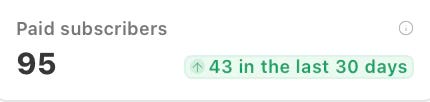
It could have been luck, serendipity, or hitting the Substack jackpot, but there’s more to it. My growth really took off once I started to try new things, take risks and invest in building a real community.

This is how.
1. Products
Exclusive newsletter
Most of us start our monetization journey with the low-hanging fruit: exclusive articles for our paid subscribers.
This is a good starting point, but it’s challenging to monetize at scale, and the growth tends to be marginal rather than incremental.
With platforms like Medium offering access to thousands of brilliant writers and their content for 5$ a month, it’s hard to stand out unless your name is already its own trademark.
Playing the exclusive content card can work if you find the sweet spot between high demand and low offer (think micro-niche or technical topics), but it’s a tough one to crack.
Digital products
Besides exclusive newsletters, digital products are a powerful incentive to convert subscribers.
I give away The Lemon Tree Mindset ebook to my paid members, as it complements my newsletter and it’s an effective guide to start writing online.

While this practice was an incentive for subscribers to upgrade, it was ironically also an incentive to unsubscribe: 2 people used the 7-day free trial, downloaded the ebook, and then canceled the subscription before paying.
Ouch.
I was upset, but hey, if the system is broken, it’s up to me to fix it, so I did…
2. Services
There’s something premium about a service: it elevates your offer and makes it more desirable, especially if it’s exclusive.
Think about Apple: You can buy an iPhone everywhere, but what differentiates an Apple Store from the resellers is the service: the customer service, the Genius Bar, the high-touch experience. I worked there for 7 years and we always led with a service-first mindset.
Services can become your competitive advantage, and they can take different shapes:
High-touch services
A one-to-one strategy only applies in the early stages, as it’s time and resource-consuming. Once you reach a certain threshold, you will have a bottleneck, so it’s not sustainable in the long term.
In my early days on Substack, I used my LinkedIn footprint to offer a profile audit as a bonus to upgrade. It was a bargain because most LinkedIn profiles suck (mine did too) and a fresh coat of paint can do wonders and attract leads.
As it was not scalable, I stopped this practice once I started to gain momentum and evolved to a one-to-many strategy. Now, I only offer one-to-one sessions to Founding Members who want personalized coaching.
However, a personalized offer is effective to gain your first paid members - and they will love you for it.
Take advantage of having a small paid subscriber base to offer a high-touch service: private coaching, an audit, or simply a 30-minute coffee chat. You will create your most loyal supporters.
Courses & Cohorts
This is where big Substackers play to win.
Courses and cohorts are great because of their trifecta nature:
Perceived value
Flexibility
Scalability
Cohorts
If you haven’t heard of the Substack Campfire 🔥🪵⛺️, a cohort by top Substackers
and , you should. They joined forces to create a virtual bootcamp to help writers grow on Substack.They offer webinars, interviews with Substack staff and top creators and they are building an awesome community. I’m speaking on a panel about Substack Notes on 11 July with
, , and .If you are interested, The Lemon Tree Mindset members enjoy a 10% discount.
Courses
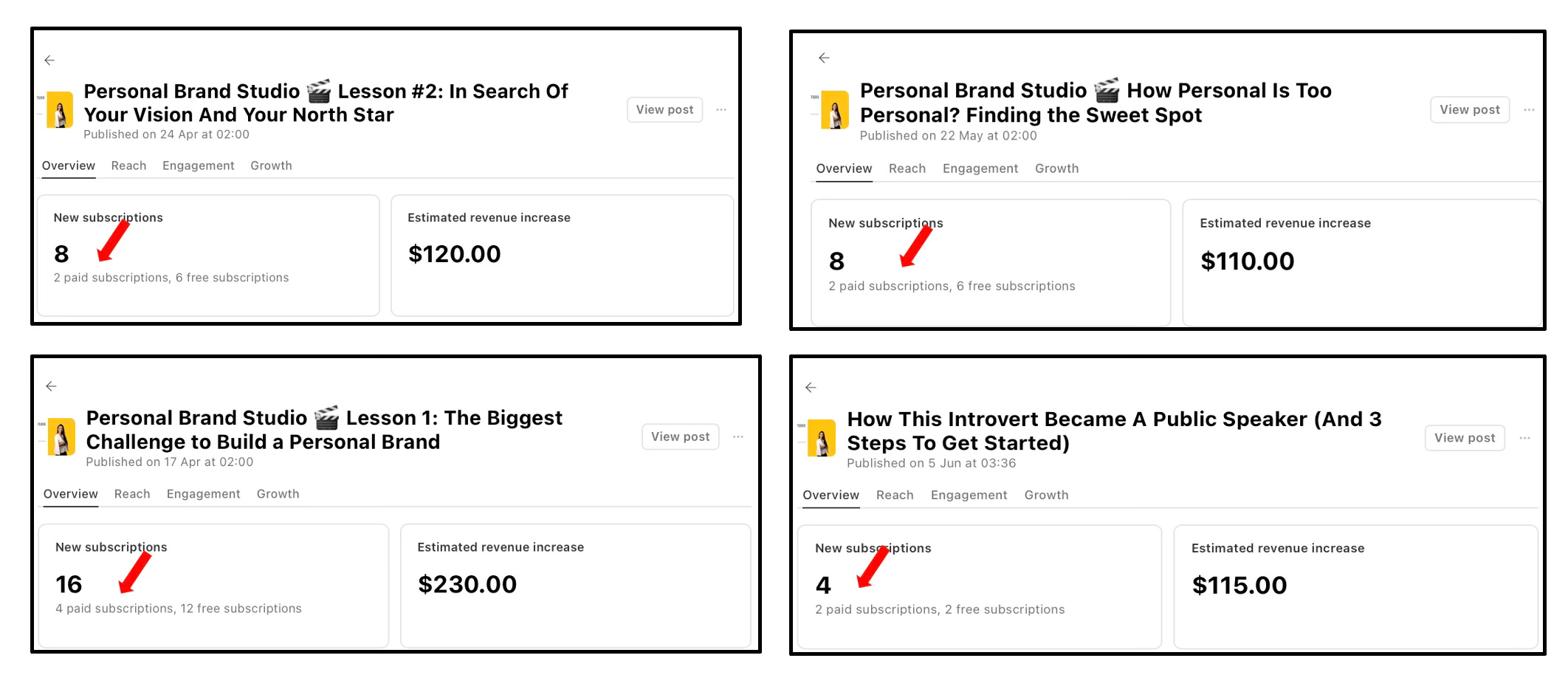
In April I launched the Personal Brand Studio🎬, a weekly email course. The content is based on questions and challenges from my subscribers, so I didn’t reinvent the wheel: I built a solution around pre-existing pain points.
The results were immediate: every lesson generated 2-4 new paid subscribers, which is much more than what I was getting until then.
This week, I turned it into a digital guide and launched it on Gumroad, so you can also repurpose your Substack content to monetize it in other channels.

Webinars
In May, I launched the monthly webinars and although I have only hosted 2 so far, the results exceeded my expectations.
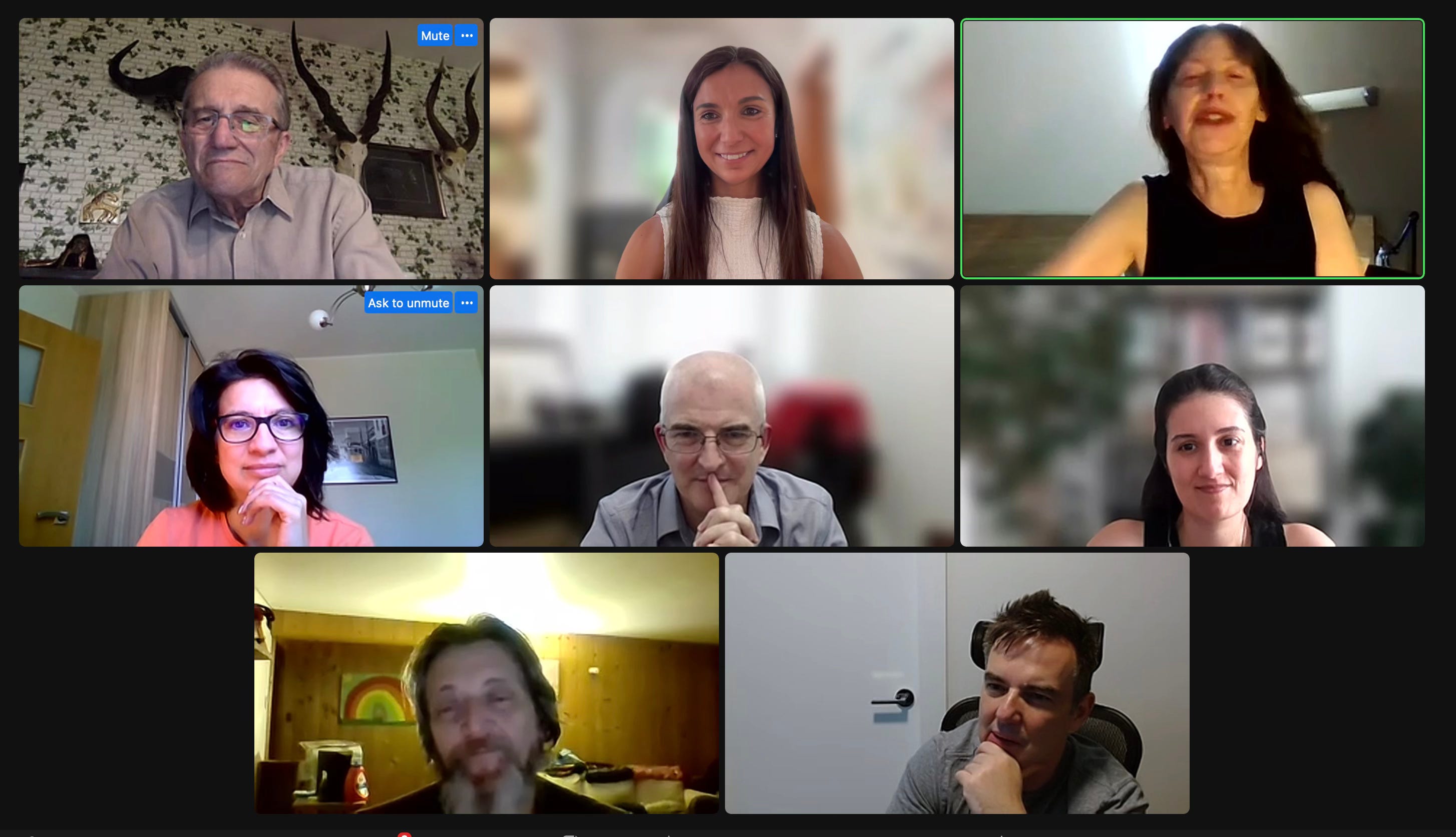
Only 6-7 people join the sessions live, but it was enough to keep them interactive, and many others watched the replay on demand. Plus, I had a blast connecting with my tribe live for the first time!
This initiative generated over 20 paid subscribers because my members saw value in having an exclusive session and an opportunity to connect live and ask questions.
Making people feel like people and not just followers and subscribers goes a long way.
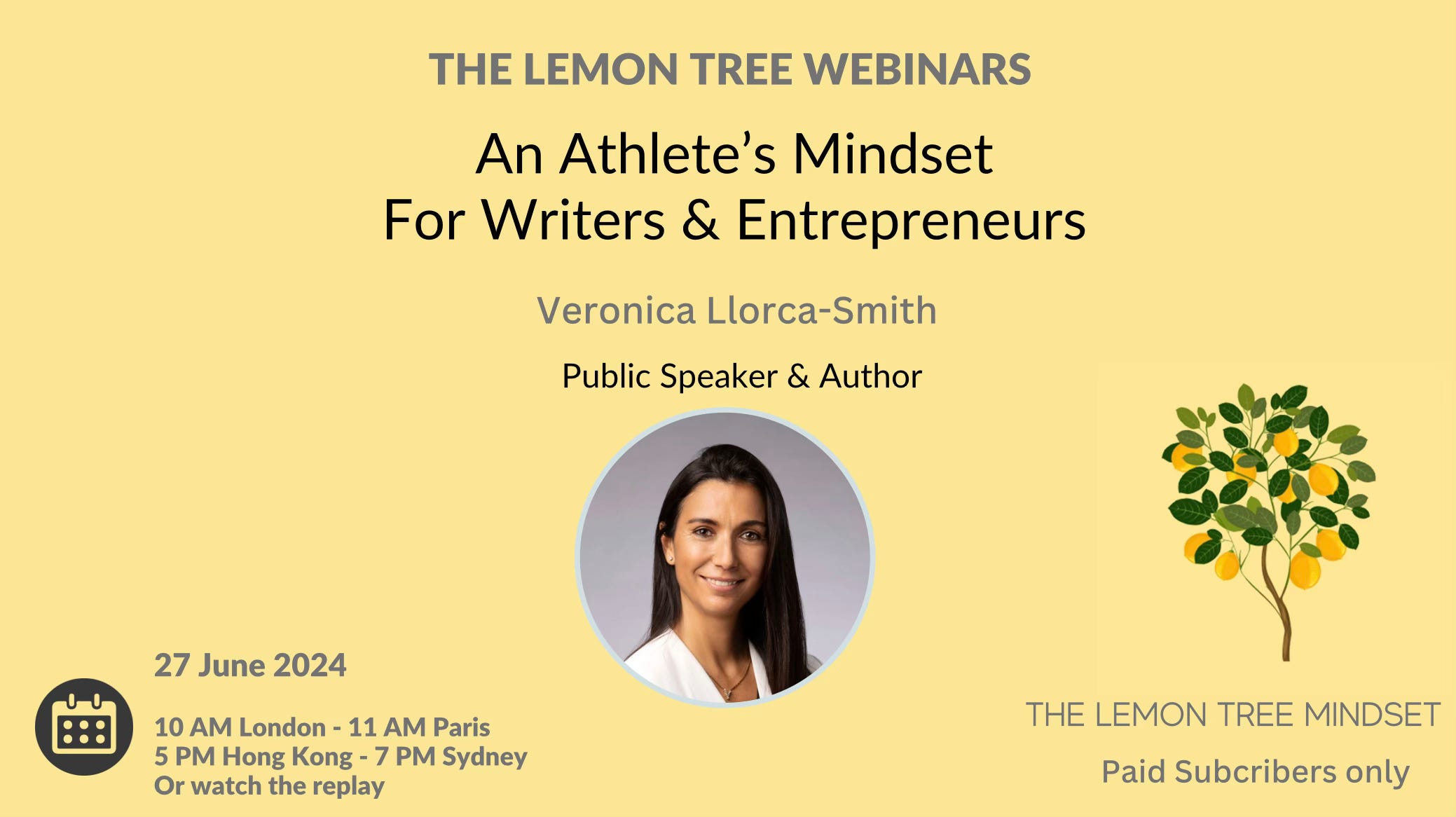
My next webinar will take place at the end of July and the topic will be on Substack Acceleration, as requested by my paid subscribers.
The sessions are monthly and paid subscribers can watch them live or on-demand.
3. Community
I’m still working out Substack Threads to add value to my subscribers (both free and paid), because I see it as a catalyst for connection and collaboration.
Spoiler alert: You will always have more to offer as a community than as an individual, so think bigger.
My vision is to turn my Thread into a positive and collaborative space where my members participate, share experiences and contribute to the collective value and IP of The Lemon Tree Mindset as a community.
I don’t want to plant one lemon tree but an entire forest 🌳🍋
This is what I mean:
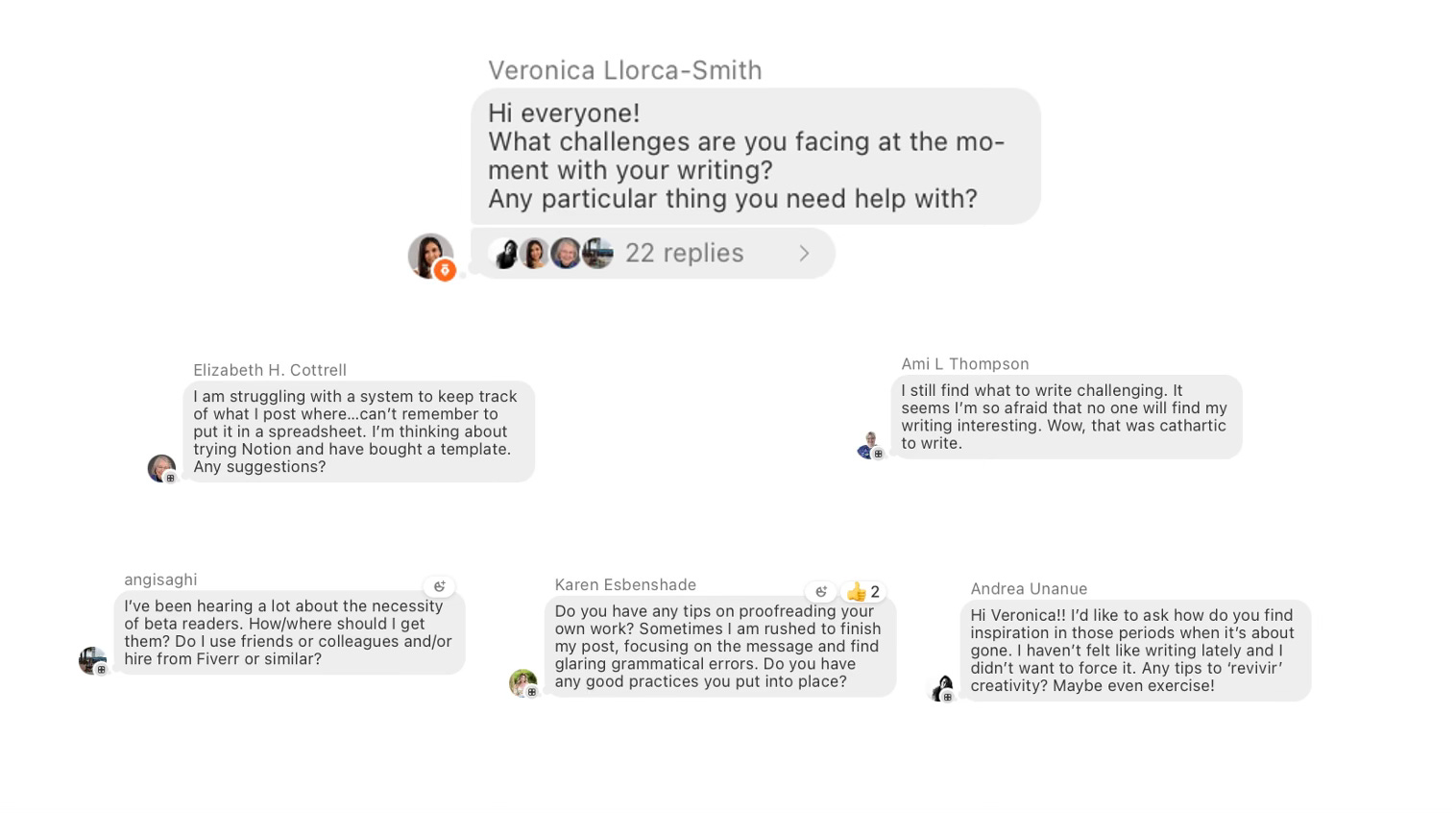
A community helps you drive engagement and loyalty versus having a one-way newsletter. It shifts the focus from you to your tribe.
It doesn’t necessarily attract new paid members, but retention is just as important, as otherwise, you end up with a leaky bucket.
One final thought-provoking question to challenge us all:
Are you nurturing a real community, or are you just scoring numbers on a dashboard?
When you have a true community, the sum is larger than its pieces.
Lemons & Lemonade🌳🍋
A lot of my work is FREE because I believe in adding value and growing lemon trees together.
If you would like to support my writing, you can upgrade to get some fresh lemonade.
Cool! About the free trial. It was fun for a while but then I discovered the same thing. People using this leverage to get acces to the info and then unsubscribe. So I disabled the 7 day trial. (It did not affect the growth)
🙌 woohoo I think with this discount you'll reach it within the next days!
Congratulations I live seeing other women succeed and I love that you shared the video everywhere. I think this also helped to add more context information to you as a person.
I see that you have a marketing brain because you're so smart to really collaborate with others.
It's not a one way stret. We're stronger together and then should share everything with our tribe to help others and ourselves. ❤️