
Substack Is Changing in 2026 And This Is How You Can Prepare Now
6 trends and how you can start adapting today

This week, my Founding Member, Jen Baxter, sent me an email ahead of our 1:1 strategy session. One of her questions hit hard:
“How can I prepare for Substack in 2026?”
And that’s exactly what we are going to discuss today.
I’ve been on Substack for over 2.5 years and the evolution has been mind-blowing. The platform, once an underdog, is now attracting top voices and creators, publishers and even investors.
From its origins as an indie writing platform, it’s now a full-on multimedia hub leveraging podcasts and videos and it’s so much more than a newsletter: it’s where you build communities and businesses from the ground up.
This move is 100% intentional and if you look up Substack on the App Store, it markets itself as a “Videos, writing & podcast.” Video first.
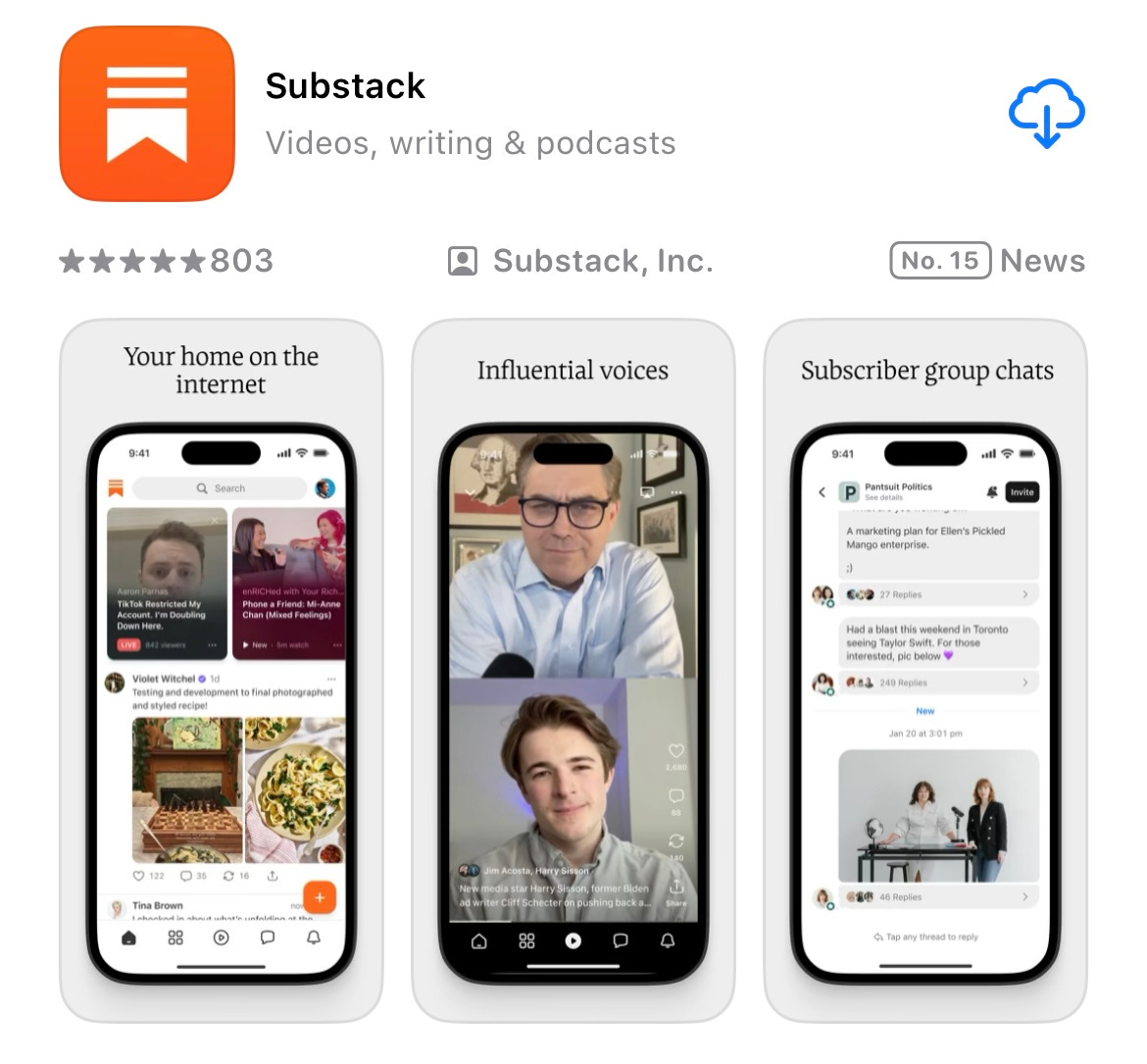
Substack is becoming the cool kid on the (digital) block and it’s positioning itself as a fresh and solid alternative for creators who are tired of the same old crap you get in every other social media. Let’s not fool ourselves, though. It is still social media but…
It feels more real.
It feels more intimate.
It feels more human.
With growth come both challenges and opportunities, and all these changes mean we have to adapt and pivot because what made you successful yesterday is not what will make you successful tomorrow and you can easily fall behind.
So, what’s ahead and how can we be ready now?
Below are 6 trends that are (re)shaping the platform and how you can prepare to ride the wave without paddling against the current and if you are looking for a course to fast-track your growth and monetization, check out my digital course, How to win on Substack, with all my strategies and tips to become a Substack Bestseller.
1. Substack goes mainstream
With 5 million paid subscriptions in 2025, Substack’s mainstream appeal is skyrocketing.
This signals opportunity but explosive growth makes organic discovery harder. Many writers reported subscriber growth dropped 80-90% in 2025 due to algorithm bias toward big names, fierce competition and noise.
Personally, my growth from Recommendations is only 30% of what it was in 2024.
Does it mean you can’t grow internally?
No, you still can and you should maximize the native functionalities to appeal to users who are already on Substack (Notes, Recommendations, restacks, lives…) but it’s smart to pull readers from external sources like social media, SEO blogs, or Google to add incremental traffic to your publication and not rely solely on the algorithm.
Most top creators are now bringing readers from outside:
Lenny’s Newsletter is the #1 publication in Business with over 1 million subscribers and it grew by syndicating to LinkedIn and X, funneling thousands to Substack.
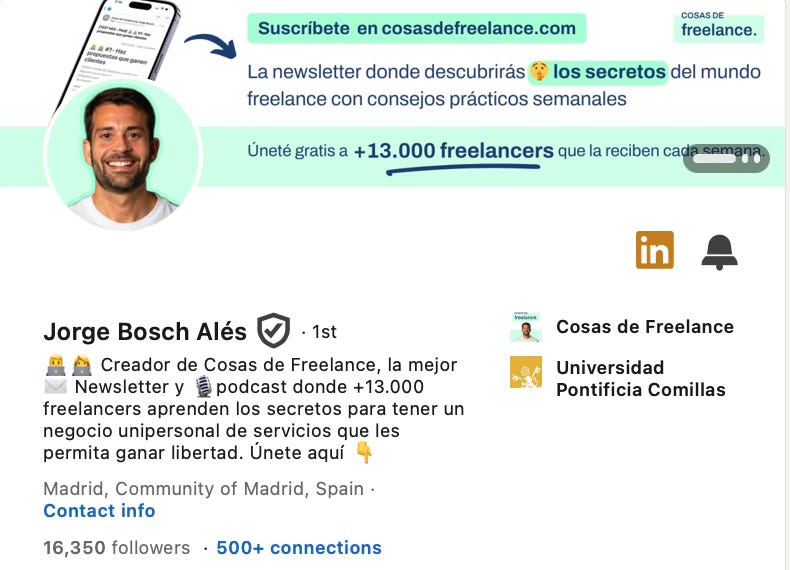
Spanish creator Jorge Bosch Alés does this extremely well: he’s able to bring 300+ subscribers from LinkedIn to Substack every month through a carefully curated strategy and an optimized profile with a clear CTA.
More and more creators are offering “flywheels” between channels to create cross-platform leverage.
Personally, I’m starting to use LinkedIn not only to grow my public speaking business, but also to fuel my Substack publication.
Treat Substack as your hub, but make sure you build bridges from outside by auditing your external channels and creating synergies between platforms.
Action step: Organic growth gets tougher, so diversify your traffic through cross-platform flywheels.
2. Collaborations are a must
Collaboration is your secret weapon to cut through the noise. With heavyweights like Justin Welsh and Dan Koe joining Substack, smaller creators need to join forces to break through the clutter.
The platform’s 35 million active subscribers create a ripe opportunity for cross-pollination and there are multiple ways you can collaborate with others to boost views, reach and even monetization.
Here are a few examples from my community:
- Joint publications: Kristina God and Fleur Hull recently launched The Substack Bookstore, a publication dedicated to supporting indie authors, now a Substack Bestseller.
- Guest Posts: I invite 2-3 guests every month to The Lemon Tree Mindset and they cross-post to reach more people. This gives both creators extra visibility, often leading to new subscribers (free and paid).
- Co-authored projects: in 2025, I collaborated with other Substack Bestsellers on a co-authored book called the “10K Secrets”, where each creator shared their own strategy to grow their business and reach 10K US$ months.
- Interviews, lives, and podcasts: many creators are incorporating multimedia collab into their strategy to have a broader reach.
I speak on podcasts every month and both parties benefit, as we join our communities to amplify our work:
🎙️ Speaking in public might be your smartest move this year with David McIlroy.
🎙️ How To Beat Procrastination Without Toxic Productivity with Jari Roomer

Action step: Team up to amplify your impact
3. Embrace multi-format content
Substack is pushing beyond text, with 2025 updates like livestreams and video feeds making it easy to sync content with YouTube and Spotify and now even LinkedIn. Recently, they started to save live recordings directly as drafts with pre-created clips available to share with just one click.
They want creators to go live and create videos because multimedia content boosts engagement and keeps users longer than text alone and creators ignoring this trend risk stagnation or missing out on opportunities.
That’s why many of the top creators across all categories already have their podcasts on Substack:
Letters from an American: #1 publication worldwide, focused on U.S. Politics.
The Pragmatic Engineer: leading podcast for technology professionals.
Lenny’s Newsletter: # 1 publication in business with a podcast that focuses on tech, product management, and growth strategies..
The Isolation Journals: popular podcast within the literature category on Substack.
The Forgotten Side of Medicine: top publication in health and medicine.
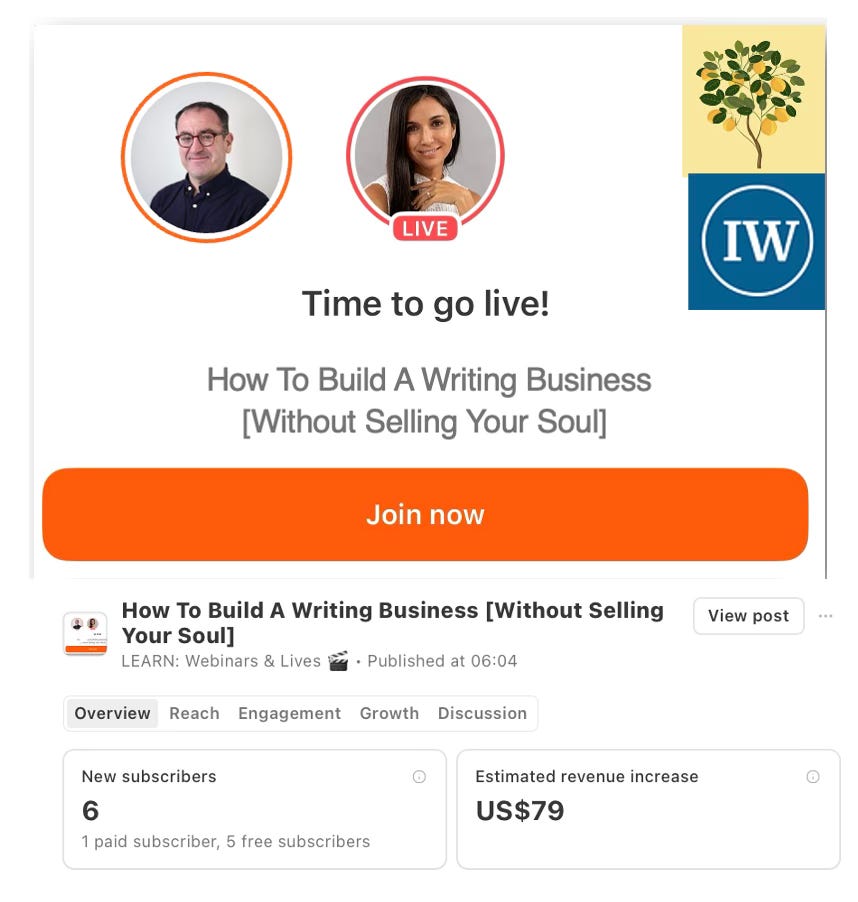
I launched live sessions in January 2025 and they have boosted engagement with both existing subscribers and new viewers. Yes, many people hate live sessions but the point is, many people enjoy them.
Live sessions, especially in partnership with other creators often attract new subscribers on the spot (both free and even paid) because they create an immediate bond and a sense of connection. When people click with you, they feel compelled to take action there and then out of impulse (join your community, send a DM, buy your membership…)
The numbers don’t lie.
Action Step: Explore new ways to engage your community, leveraging formats that align with your values and personality.
4. Humanize your content to fight AI fatigue
AI-generated content is flooding the internet, and audiences are craving real, human connections. According to a PWC study, 71% of readers say they prefer to interact with humans over bots (what the heck is wrong with the remaining 29%?!).
People want authentic voices over polished AI outputs and more than ever, Substack creators must humanize their work through proximity, personalization, and showing their real selves.
“How I” stories are now much more powerful and effective than generic “How to” stories that can be prompted to Chat GPT because they are more imperfect and hence relatable.
One of my most successful Posts ever on Substack (both in English and Spanish) is my Hero Post, which is simply my story of reinvention and how I started a new path from zero. No AI, no copy-templates, no empty promises, just an honest and raw talk from human to human.
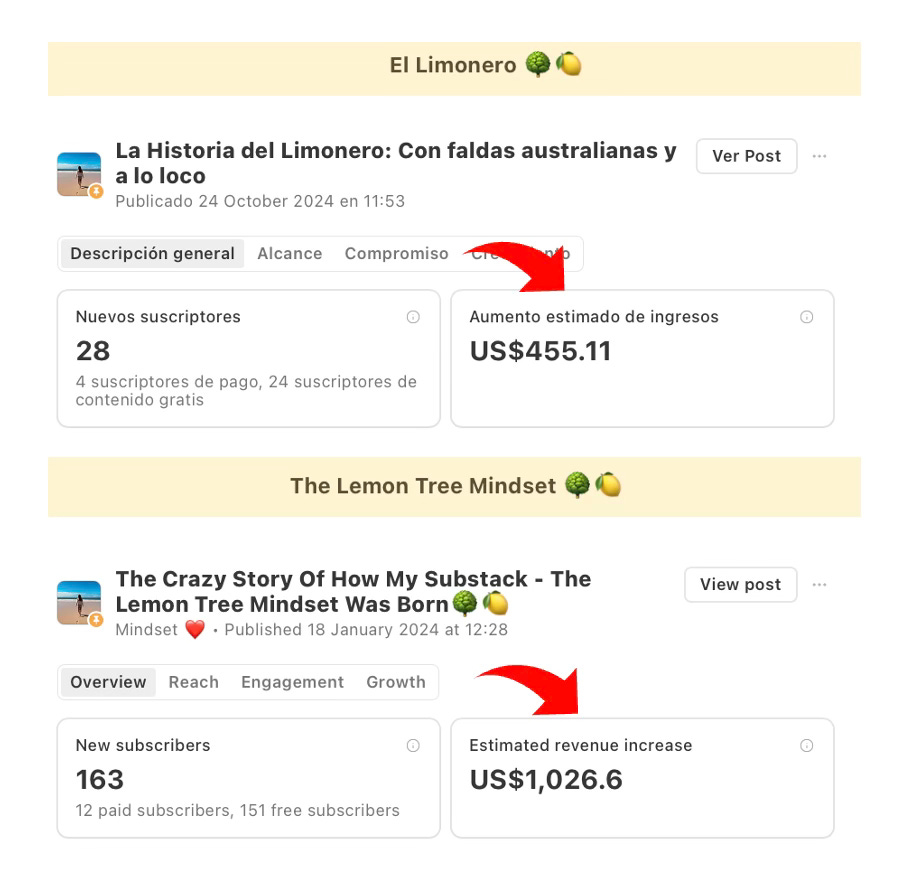
You have many ways of humanizing your content: Live sessions, group coaching, or 1:1 calls and the result is more connection, loyalty and trust.
Here are some great examples from some of my Founding Members who are connecting human-to-human:
Katja Groesser goes live every week to do group coaching for her paid subscribers.
Chuen Chuen Yeo hosts regular webinars for her premium community.
Neera Mahajan launches regular writing cohorts for her premium members.
Rosemary DeSena organizes online readings of poems for her subscribers.
In January 2025, I launched Mastermind sessions for my Founding Members to give them a sounding board where they can discuss ideas and get personalized feedback from real humans.
People want you, not a bot. Start planning one human-centric touchpoint this month.
Action Step: Find opportunities to create proximity and intimacy with your community.
5. Navigate the “How-to-Grow” saturation
Whenever a platform becomes successful, it comes with an overflow of meta creators who focus on “how to grow” on that platform. 50% of my LinkedIn feed is about how to grow on LinkedIn (yawn).
The “grow on Substack” niche is overcrowded, with many meta-newsletters stalling at 500-1,000 subs due to recycled advice.
If you are in that topic (or any “how to grow” in general), find a distinctive angle or a micro-niche to break through.
Ciler from Newsletter Circle focuses on extracting best practices from Substack Bestsellers.
Fleur Hull focuses on Substack for indie authors.
Jen Baxter ✒️ helps authopreneurs nail the marketing strategy for their books.
Create your own unique flavor.
My own angle is to help creators build a writing-speaking ecosystem that has multiple pillars (community, digital products, public speaking, etc).
You can also focus on a specific demographic: beginners, women 50+, 9 to 5 employees who want to start a side gig…
Action Step: Find your unique angle to stand out from the crowd.
6. Monetization shifts: Substack as top-of-funnel
Substack’s 10% subscription cut is solid, but creators are diversifying, earning 2-3x more by layering revenue streams like cohorts and digital products.
Tim Denning uses Substack to funnel readers into his writing business.
Most seasoned creators are using Substack as a community builder where they nurture trust and connections. It is the entry point of their ecosystem but the real monetization magic happens outside the platform, beyond paid subscriptions, especially through high-value tickets.
Derek Hughes is having success turning subscribers into students of his cohort or participants of his Masterclass.
Michael Lim uses Substack as a gateway to drive subscribers to his closed community on Skool.
Personally, most of my earnings as a creator come from a mix of paid subscriptions, coaching, digital products on Gumroad and cohorts. It’s a digitaly ecosystem.
Remember that the conversion from free to paid on premium newsletters is generally quite low (2-3% in my experience) and so it’s smart to map your funnel, diversify your strategy and invest in other income streams.
Action Step: Boost monetization with an ecosystem centered around your community.
The bubble
In 2026, Substack’s evolution demands agility.
From tools for collaborations, multimedia options, native tools for growth and built-in monetization infrastructure, the platform is a creator powerhouse - if you adapt.
Start implementing these strategies, track your metrics, and stay flexible.
The bubble isn’t bursting; it’s reshaping, and the opportunity is there for us to make the most of it and ride on an awesome wave.
You can be a trailblazer and pave the way, or you can stay behind, reminiscing on the old times and regretting the wave you didn’t catch 🏄🏽♀️
Your blueprint to win on Substack in 2026
And if you want to want to know more about Substack and how to turn it from a hobby to a sustainable business, check out my Digital Course, How To Win On Substack, my blueprint to becoming a Substack Bestseller.
88US$++ for 13 modules, videos and actionable exercises.
100+ students and 5-star reviews on Gumroad.

Oh, but I really don't want videos. I want writing. It is why I came over to Substack. It is like trying to outrun a flood. You find a healthy place but the world floods in and overwhelms it.
Please.....ban AI. i’d rather spend 10 minutes, listening to a real person speak even with the uhms
and errors.